
Design a closet that supports sustainable style choices
Publié le 04/11/2026
A well-designed closet can do more than keep a bedroom tidy. It can help you see what you own, rediscover neglected pieces, and make calmer decisions before bringing another item home. When clothing is visible, accessible, and arranged around your real routines, building a more sustainable wardrobe becomes a practical daily habit rather than an abstract goal.
Begin with an honest wardrobe audit
Before changing shelves, buying storage boxes, or shopping for new clothes, take stock of the garments already in your home. Empty one category at a time, such as trousers, knitwear, shirts, or shoes. This smaller approach prevents the task from becoming overwhelming and gives you time to assess each piece fairly.
Create four groups: items you wear often, items that need repair or alteration, items to donate or resell, and pieces you are unsure about. For the last group, try each garment on and consider whether it fits your current lifestyle, not a past version of it. A formal jacket may be valuable if you attend professional events, but unnecessary if it has gone untouched for years.
Look for patterns as you sort. You may find five similar black tops, several shoes that hurt your feet, or a lack of warm layers that work with your existing trousers. These observations turn your closet into a realistic inventory, helping you avoid purchases that duplicate what is already there.
“The most sustainable garment is often the one you can see, enjoy, and wear again.”
Arrange the closet so every garment earns its place
A closet supports responsible fashion when it makes choosing outfits easy. The goal is not a showroom appearance. It is a setup that helps you reach for what you already own, care for it properly, and notice what truly needs replacing.
For readers seeking trendy clothing tips, the most useful advice often starts with versatile styling rather than constant buying. Focus on garments that can work across several outfits, such as a well-fitting shirt, durable jeans, a neutral knit, or shoes suited to your normal week. Combining familiar pieces in new ways can refresh your style while reducing demand for short-lived purchases.
Give daily clothes the most accessible space
Place frequently worn items between shoulder and waist height. This is the easiest area to reach, so reserve it for clothes that suit your present routine: workwear, casual basics, comfortable layers, and seasonal outerwear. Less-used occasionwear can go higher up or into protective garment bags.
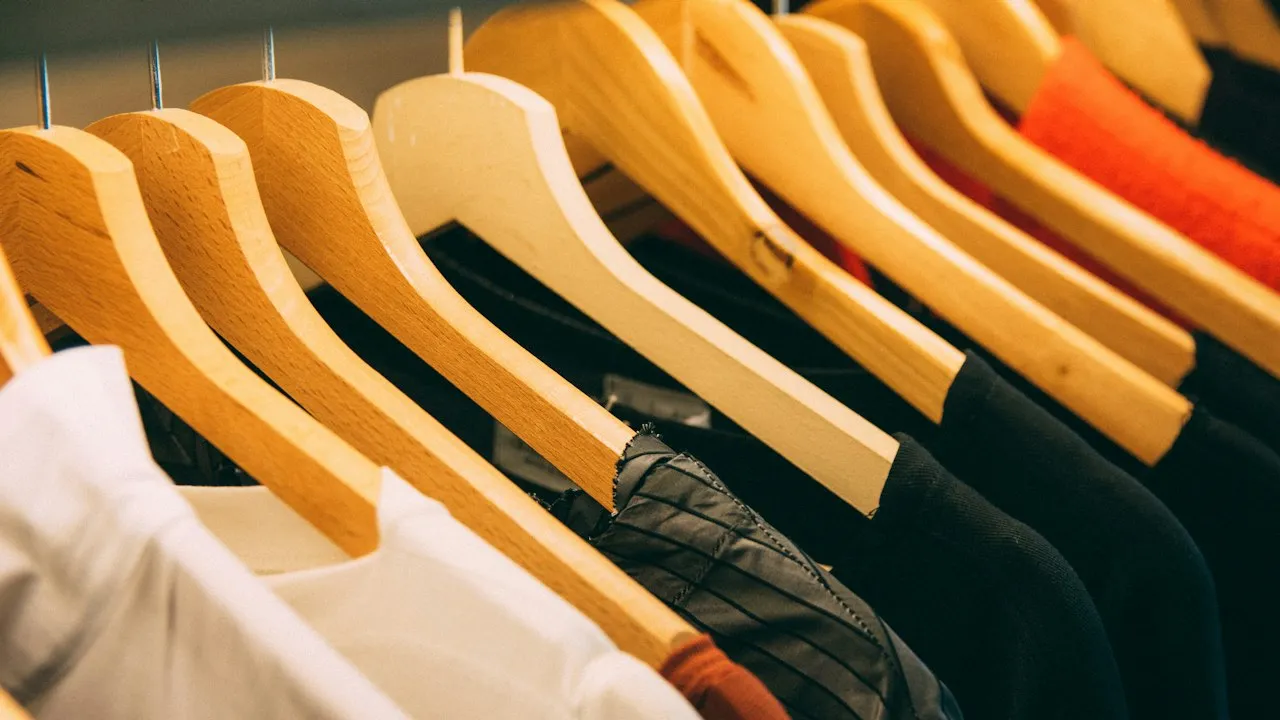
Use matching hangers where possible, not for decoration, but because they create a consistent rail height and make garments easier to scan. Hang shirts, dresses, jackets, and trousers that wrinkle easily. Fold heavier knits to prevent stretched shoulders, and store them in shallow stacks so the bottom pieces do not disappear.
Use light and labels to reduce forgotten clothing
Good lighting changes how you use a closet. A small battery-powered LED light or a nearby lamp can reveal colours, stains, and forgotten items that would otherwise remain in shadow. If natural light is available, keep delicate textiles away from prolonged direct sun to avoid fading.
Clear labels are equally useful for closed storage. Label boxes by category, such as “summer linen,” “repair pile,” or “winter scarves,” rather than vague terms like “miscellaneous.” You will spend less time searching and are more likely to return clothes to their proper place.
Plan a capsule wardrobe around your actual life
A capsule wardrobe does not require a strict number of garments or a uniform palette. It is a considered collection of pieces that coordinate well and serve your regular needs. Your version may include office clothing, practical outdoor layers, formal options, or creative statement pieces.
Start by identifying your most common situations during a typical month. Consider work, social plans, exercise, travel, home life, and weather changes. Then choose a few reliable combinations for each situation. If you can create several outfits from one pair of trousers, two tops, a knit, and a jacket, those pieces offer strong value per wear.
When considering a purchase, ask whether it works with at least three garments already in your closet. Also consider fabric, construction, comfort, care needs, and the likelihood that you will wear it for several years. Buy less, wear more becomes easier when each new item has a clear role.
Timeless clothing does not mean avoiding colour or personality. It means choosing items that you genuinely enjoy and can rewear beyond a single trend cycle. A bright scarf, patterned blouse, or distinctive coat can belong in a lower-waste wardrobe when it has lasting appeal for you.
Maintain your clothing so it lasts longer
Storage and care are closely connected. Clean garments before seasonal storage, since body oils and food marks can attract pests or set into fibres. Keep natural-fibre items dry and use breathable containers when possible. Avoid overcrowding, which causes wrinkles, friction, and missed repair needs.
Set aside a small visible basket for repairs. A loose button, split seam, or missing hook is easier to fix when it does not vanish into a drawer. Schedule a brief monthly check to mend, wash, polish, or reassess a few pieces.
Your closet can support better habits when you remember these principles:
- Keep your most-worn clothing visible and easy to reach.
- Review your wardrobe before buying replacements or trend-led items.
- Choose versatile pieces that work with several existing outfits.
- Repair and care for garments before deciding they have reached the end of their life.
- Store seasonal clothes cleanly, clearly labelled, and protected from damage.
- Donate or resell only items that are genuinely ready to leave your wardrobe.
Create a closet that makes responsible fashion feel natural
A thoughtful closet does not demand perfection, expensive fittings, or an extremely small wardrobe. It gives you a clear view of what you own and makes your best options simple to wear. By pairing sensible storage with regular wardrobe reviews, you can reduce forgotten purchases, extend the life of your clothing, and build a style that feels personal, useful, and enduring.